
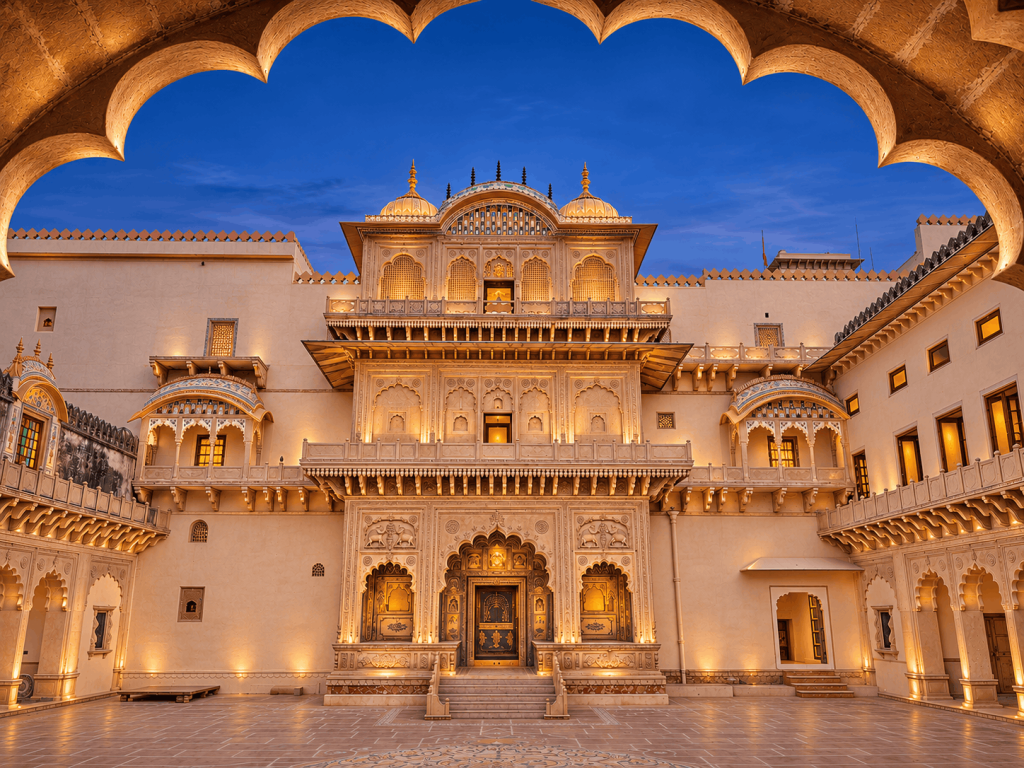
To make a destination wedding feel personal, identify the family rituals and customs that matter most to the couple, then give each one a clear place in the celebration. At Mahal Khas Palace in Bharatpur, couples can discuss how to shape ceremonies across the palace’s heritage spaces, with arrangements planned according to their traditions, guest needs and availability.
A destination wedding is more than a change of location. It brings families together in a place where the celebration can unfold over several occasions. What makes it memorable, though, is often the detail that belongs only to the couple: a blessing from grandparents, a song sung by relatives, a family heirloom, or a custom that has travelled through generations. At Mahal Khas Palace, the heritage setting offers a distinctive backdrop for a celebration built around those personal details. The most meaningful plans begin by deciding which rituals matter to the families and how they can be included with care.Why do family rituals make a wedding feel more personal?
Family rituals connect a wedding to the people and stories that came before it. They can be religious, regional, cultural or simply meaningful to a particular family. Some couples follow long-established customs; others adapt a tradition to reflect both families or create a new one together. These moments give guests a role beyond watching the ceremony. An elder may offer a blessing, siblings may lead a song, or relatives may take part in a welcome custom. Even a small gesture can make a large gathering feel closer and more familiar. The aim is not to include every custom a family has ever observed. It is to choose the rituals that feel genuine to the couple and make room for them in a way that feels comfortable to those taking part.How should couples choose which traditions to include?
Start with a conversation between the couple and their families. Each side can share the customs they value and explain what they mean. This helps everyone distinguish between a ritual that carries deep personal significance and one that is simply being included out of habit. A short planning list can help:- Which rituals are essential to each family?
- Who should lead or take part in each one?
- Are there customs that need particular items, music or preparation?
- Would guests benefit from a brief explanation of what a ritual means?
- Are there traditions that can be combined thoughtfully?
- Does the couple want to introduce a new personal gesture?
How can two families’ customs be brought together respectfully?
A wedding joining two families may bring together different languages, regional traditions, religious practices or ceremony styles. The goal does not need to be a perfect blend of every custom. Instead, couples can give each family’s important moments an appropriate place and communicate the plan clearly. Consider organising the rituals so guests understand the purpose of each gathering. A host or family member can briefly introduce a custom, especially if some guests are unfamiliar with it. If a ritual involves specific participation, let people know what is expected beforehand so no one feels uncertain during the ceremony. Couples can also look for shared meaning. Two families may have different customs for welcoming the couple, but both may value blessings from elders. A wedding programme can honour each tradition while allowing the celebration to feel connected rather than crowded. When discussing a personalised destination wedding in Bharatpur, couples can explain which traditions are important and ask how the venue and event arrangements may accommodate them. Confirm practical details with the wedding team in advance.How can a heritage setting support meaningful rituals?
A heritage palace can give ceremonies a strong sense of place. Courtyards, gardens, terraces and indoor spaces each have a different atmosphere, so couples can consider how the setting supports the meaning of a particular moment. For example, a family blessing may feel most comfortable in a quieter gathering, while a larger ceremony may call for a more open setting. A garden can suit a relaxed daytime occasion; a courtyard can provide a distinctive heritage backdrop. The most suitable space depends on the ritual, the guest list, the setup required and the arrangements available for the chosen dates. Mahal Khas Palace has multiple celebration spaces, including courtyards, gardens, terraces and an indoor banquet hall. Couples can discuss the function they are planning and ask which venue options may suit it. Confirm capacities, layouts, timings and availability directly with the team. A heritage wedding venue in Bharatpur can add character to the setting, while the rituals themselves keep the focus on the couple and their families.What personal details can make ceremonies memorable?
Personal touches do not have to be elaborate. A few considered details can carry more meaning than a long list of decorative additions. Couples might include:- A family member’s song or reading
- A blessing from grandparents or elders
- A family heirloom incorporated into the ceremony
- A welcome that reflects the couple’s regional traditions
- A short note explaining a custom to guests
- A shared gesture that symbolises the joining of two families
How can couples keep the celebration comfortable for guests?
Personal traditions matter most when guests can participate with ease. Share the schedule early, explain unfamiliar customs briefly and allow enough time between functions for people to rest and reconnect. If some rituals are intimate or family-only, let guests know which parts they are invited to attend. Think about the range of ages and needs in the guest group. Elders may appreciate clear seating and an easy route to the ceremony space. Children may enjoy being given a small, suitable role. Guests from different backgrounds may feel more included when a family member explains the significance of a ritual. A destination wedding can involve several gatherings, so balance ceremony with time for conversation. A family ritual should feel like a meaningful part of the celebration, not another item guests need to rush through.What should couples confirm with the palace team?
Once the family traditions are selected, share the plan with the wedding team and ask practical questions. Provide the names of key family coordinators, explain any ceremony requirements and clarify the setup needed for each event. Before finalising arrangements, confirm:- Which celebration spaces are available on the selected dates
- Whether the space suits the ceremony’s expected attendance
- What setup, sound or decoration arrangements are permitted
- Any timing or operational guidelines that affect the ritual
- Whether indoor alternatives are available for outdoor functions
- Who will be the main point of contact on the event day
How can couples preserve the meaning of each ritual?
The best way to preserve a ritual’s meaning is to understand why it matters before deciding how it will appear in the programme. Ask the family members who know the tradition well to explain its significance. This can help avoid turning a meaningful custom into a decorative moment without context. Give the ritual enough time and attention. Avoid placing it between rushed transitions or scheduling several important moments at once. If guests are unfamiliar with it, a simple introduction can make the experience more engaging without interrupting the ceremony. Most of all, let the couple’s values guide the choices. A destination wedding does not need to imitate someone else’s celebration. It can honour heritage while reflecting the personalities, relationships and hopes of the people getting married.Final Thoughts
A wedding feels personal when the rituals reflect the people getting married and the families standing beside them. Choosing a few meaningful customs, explaining them with warmth and giving each moment enough space can make a destination celebration feel deeply connected to its roots.
At Mahal Khas Palace in Bharatpur, couples can bring their ideas to the wedding team and discuss how the palace setting may support their plans. With thoughtful choices and clear coordination, family traditions can become the moments guests remember long after the celebration ends.
Frequently Asked Questions
How can couples personalise a destination wedding in Bharatpur?
Couples can personalise a destination wedding in Bharatpur by choosing family rituals that hold genuine meaning, involving relatives in suitable roles and explaining unfamiliar customs to guests. At Mahal Khas Palace, couples can discuss how their ceremonies may fit the palace’s celebration spaces and what arrangements are possible for their dates. Venue suitability, setup, capacity and availability should be confirmed with the wedding team during planning.
Can both families’ traditions be included in one wedding?
Yes. Couples can include meaningful traditions from both families by discussing their significance early and planning where each custom fits into the celebration. Some rituals may be observed separately, while others may share a common value such as welcome, gratitude or blessings. At Mahal Khas Palace, the couple can share their requirements with the wedding team and confirm how the planned functions can be arranged within the available spaces and schedule.
Which type of venue is suitable for family rituals in Bharatpur?
The suitable venue depends on the ritual, expected attendance, setup and atmosphere the couple wants. A quieter gathering may call for a more intimate space, while a larger ceremony may need more room. Mahal Khas Palace offers different types of celebration spaces, including courtyards, gardens, terraces and an indoor banquet hall. Couples should discuss their ritual and guest requirements with the team and confirm specific capacities and availability.
How can guests understand traditions they have not seen before at a Bharatpur wedding?
A short explanation from a host or family member can help guests understand what a ritual represents and how they may participate. Couples can also share a simple programme beforehand, especially when the celebration includes customs from more than one family or region. At Mahal Khas Palace, couples can plan the event flow with their families and wedding team so guests have clear information and enough time to move between functions.
What should couples ask a Bharatpur palace wedding team before planning family rituals?
Couples should ask about the availability and suitability of celebration spaces, setup permissions, sound requirements, event timings, indoor alternatives and any guidelines that may affect a ritual. They should also explain whether a custom requires particular materials or participation from family members. At Mahal Khas Palace, these arrangements should be discussed directly with the wedding team and confirmed for the selected dates before finalising the programme.